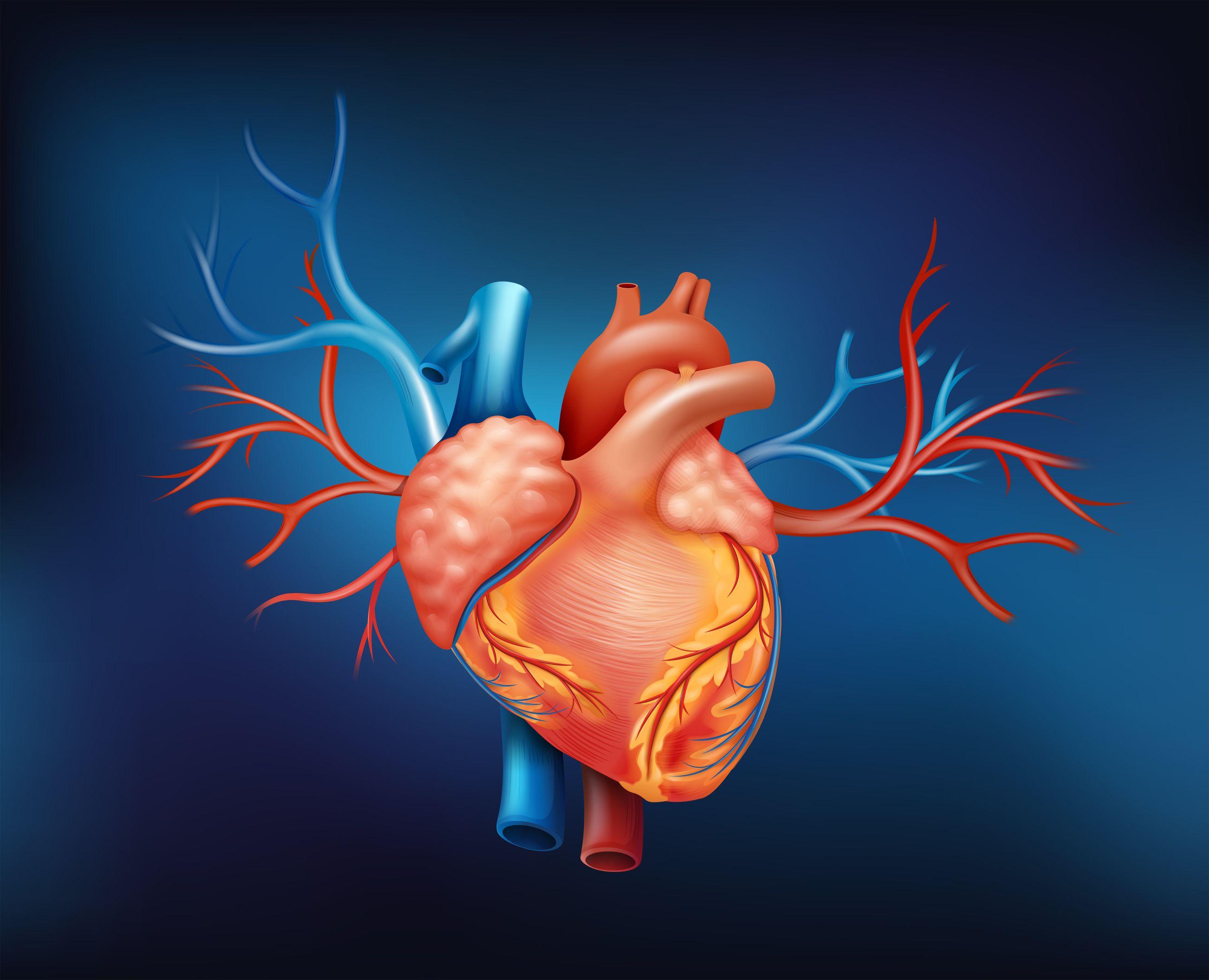
An aneurysm occurs when the walls of the arteries weaken, causing the vessel to enlarge. This most commonly occurs in the abdominal aorta, the main artery that carries blood from the heart through the abdomen to the rest of the body, and is referred to as an abdominal aortic aneurysm (AAA). The danger of this condition lies in the risk of rupture, which can be life-threatening, making treatment necessary to prevent such complications.
Aneurysms can affect individuals at any age, but the risk increases with age and can occur in both sexes. Endovascular aneurysm repair (EVAR) is a minimally invasive procedure that uses interventional catheter techniques to repair the aneurysm. This procedure is performed through small incisions or punctures in the groin, guided by X-ray imaging, in contrast to traditional open surgery, which requires a large abdominal incision.
During EVAR, the dilated portion of the abdominal aorta is lined from the inside with a series of covered stent grafts, a special device made of a metal mesh, which is placed across the aneurysm to keep the artery open. This prevents the abdominal aortic aneurysm from enlarging and eliminates the risk of rupture.
Aneurysms with a diameter less than 5.5 cm rarely rupture, with a risk of less than 1 in 100. However, aneurysms measuring 5.5 cm or larger are more prone to rupture, and surgical intervention is generally considered at this size. The individual risk of AAA and the associated surgical procedure varies from patient to patient.